Ancient DNA comparisons

Iconic individuals

Copper Age · Alps

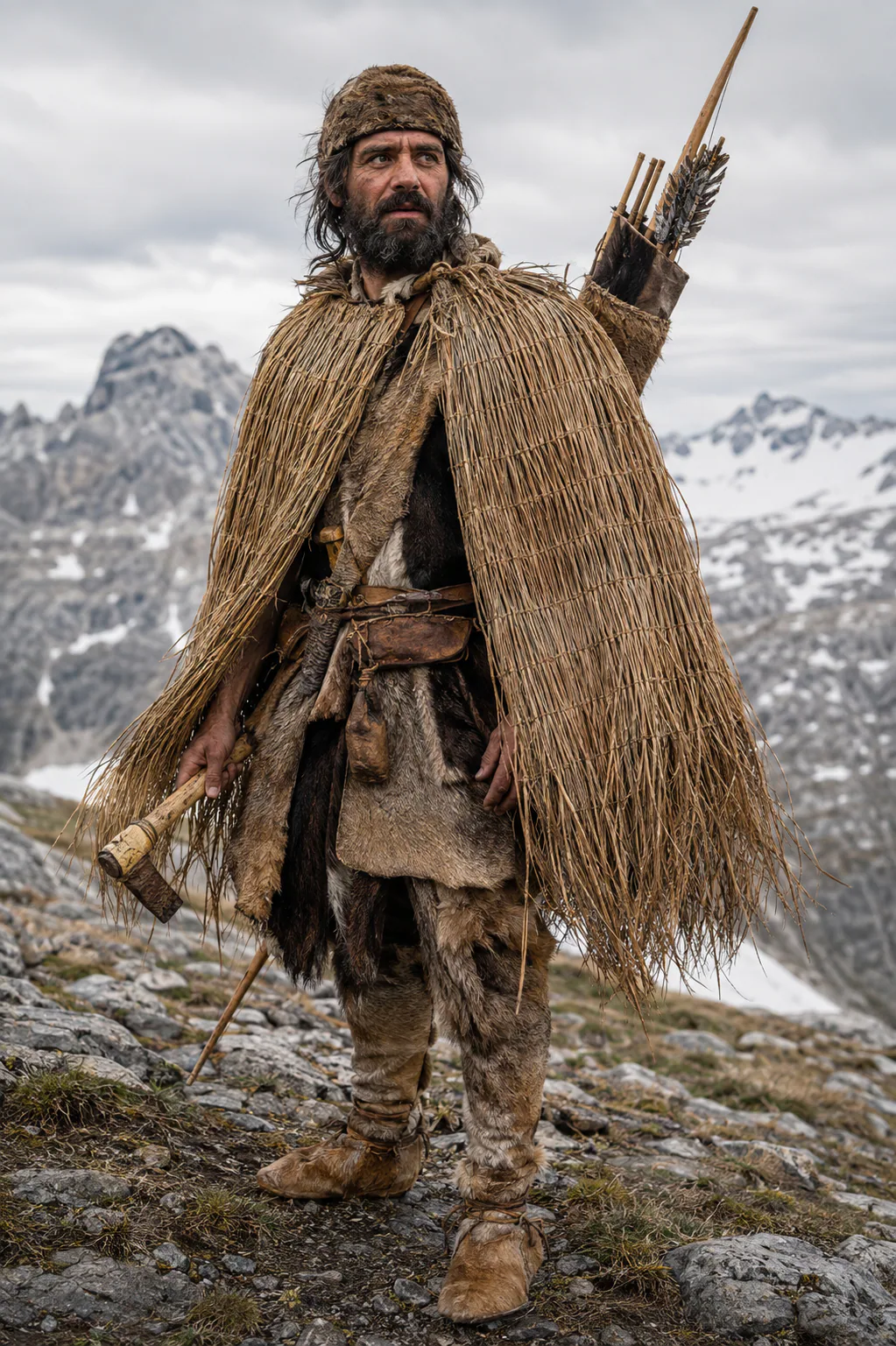
Ötzi the Iceman

In 1991, hikers in the Ötztal Alps discovered a body protruding from the glacier ice – it turned out to be more than 5,000 years old. The Iceman carried a copper axe and over 60 tattoos, and an arrowhead was lodged in his shoulder: Ötzi was murdered. He is now the most thoroughly studied mummy in the world; even his last meal – ibex meat and einkorn wheat – is known.

Choose the genome to be compared.
Mesolithic · Britain

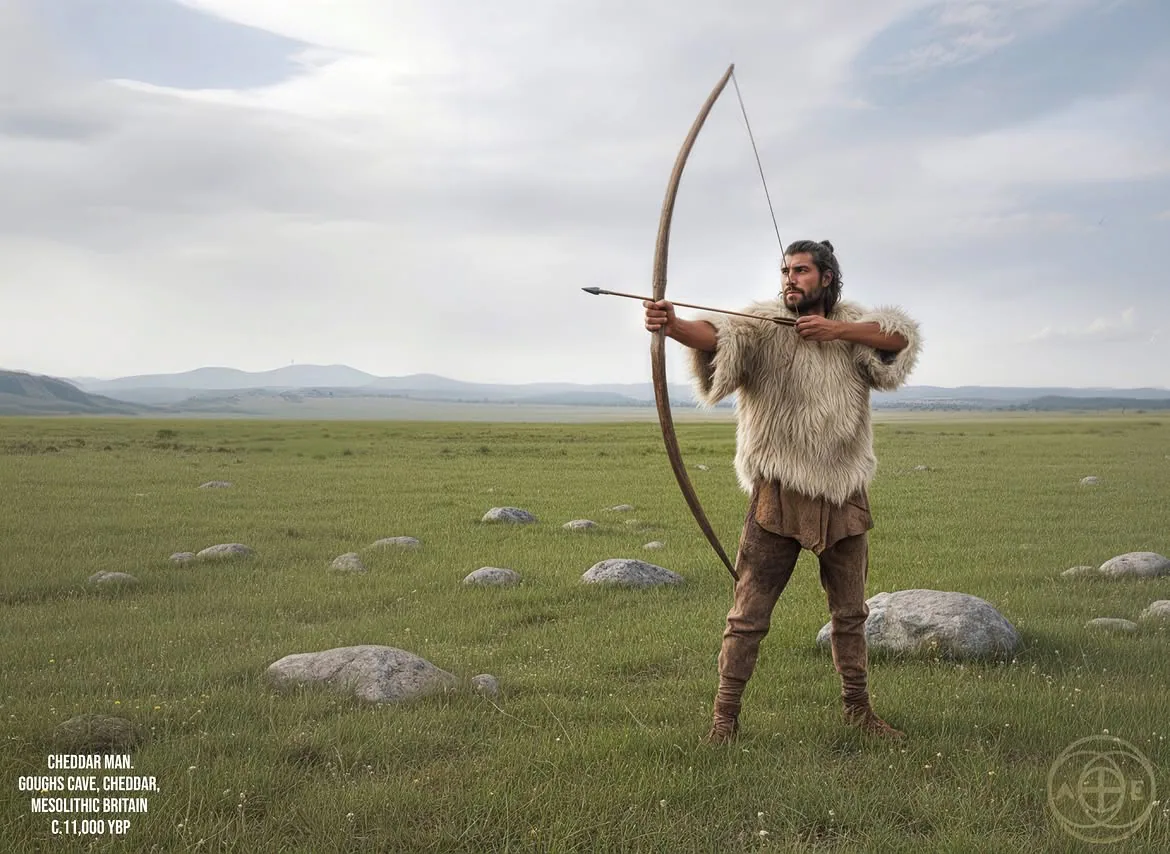
Cheddar Man

Around 10,000 years ago, this hunter lived in southwest Britain; his skeleton was extremely well preserved and is the oldest of its kind on the island. He is considered a typical representative of the hunters of western Europe. Curiously, a previous study of his maternal line found a distant relative still living in the town of Cheddar – a history teacher.

Choose the genome to be compared.
1770–1827 · Central Europe

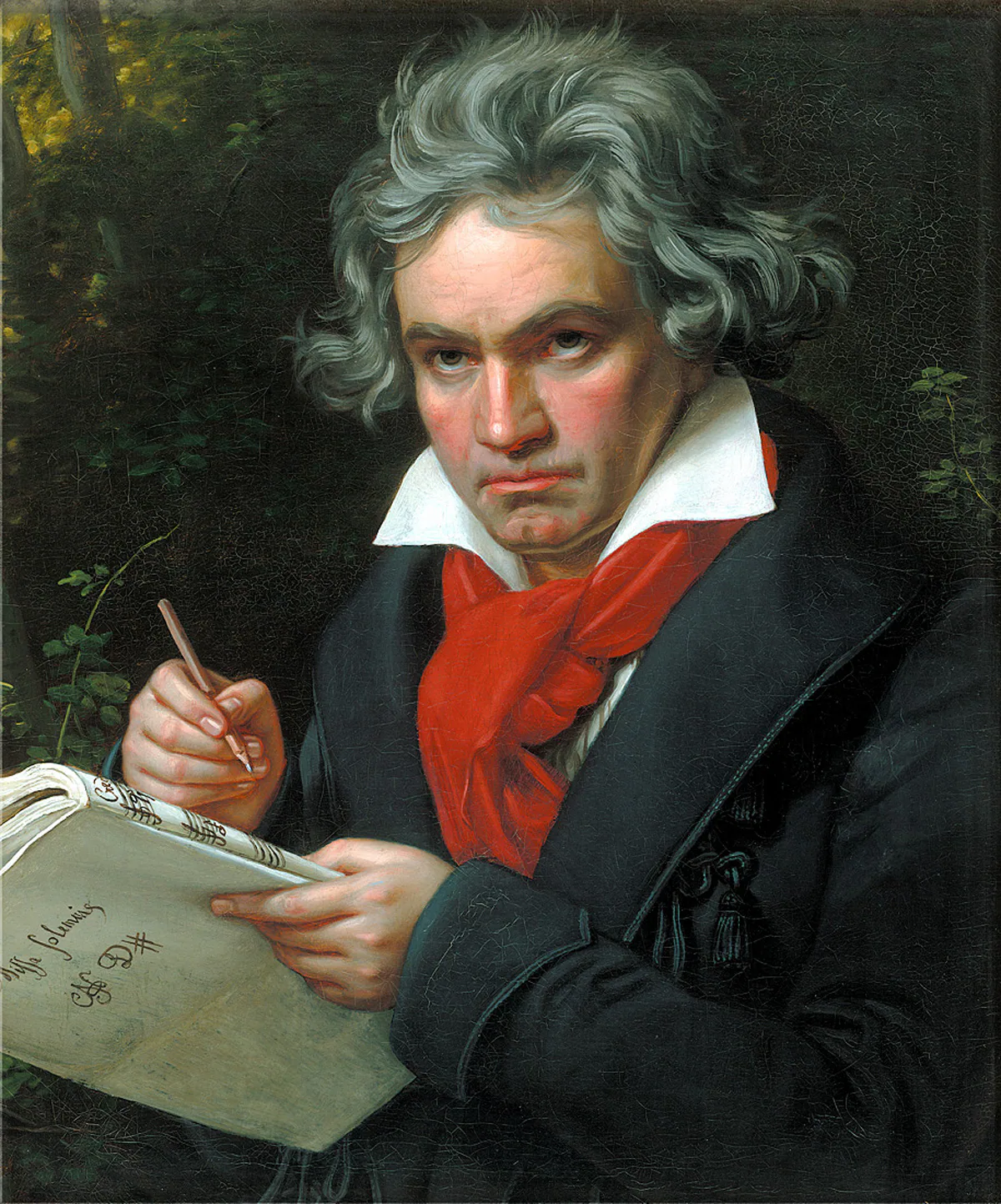
Ludwig van Beethoven

After Beethoven's death in Vienna in 1827, admirers cut locks from his hair. Five independently preserved, genetically matching locks allowed his genome to be reconstructed in 2023: it reveals a strong predisposition to liver disease and a hepatitis B infection that may help explain his early death. The study delivered another surprise: somewhere in his paternal line hides an extramarital child.

Choose the genome to be compared.
Bronze Age · Greece

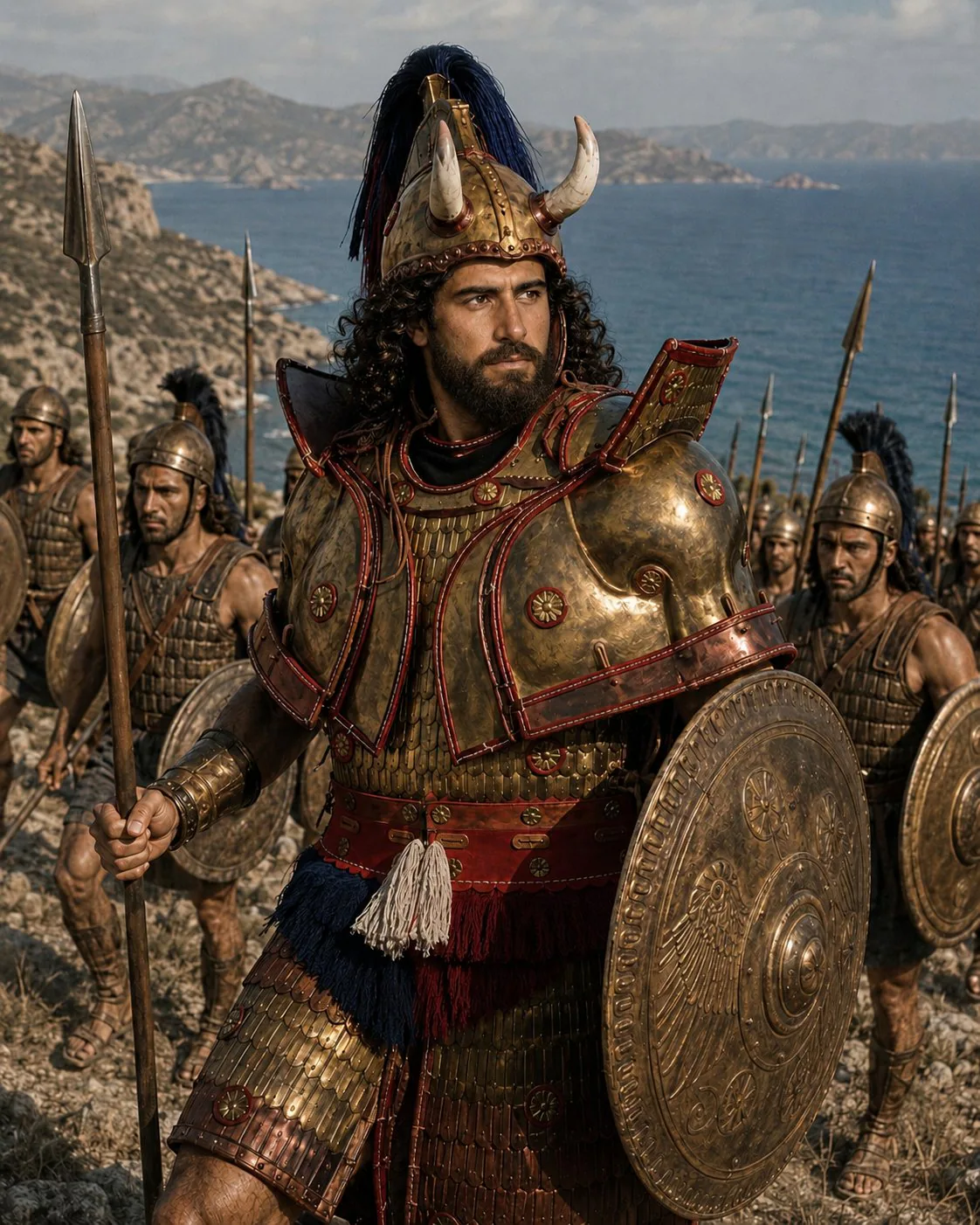
Griffin Warrior of Pylos

Near the Palace of Pylos a sealed shaft grave from around 1450 BCE was uncovered – one of the richest burials of the Aegean Bronze Age. Named after a griffin plaque, the warrior was buried with bronze swords, gold rings and more than 50 sealstones, among them the 'Pylos Combat Agate', whose finely engraved battle scene ranks among the masterpieces of Aegean art. He was likely a prince or high-ranking warrior of the early Mycenaean age, possibly even with connections to the Iliad.

Choose the genome to be compared.
Neolithic · Ireland

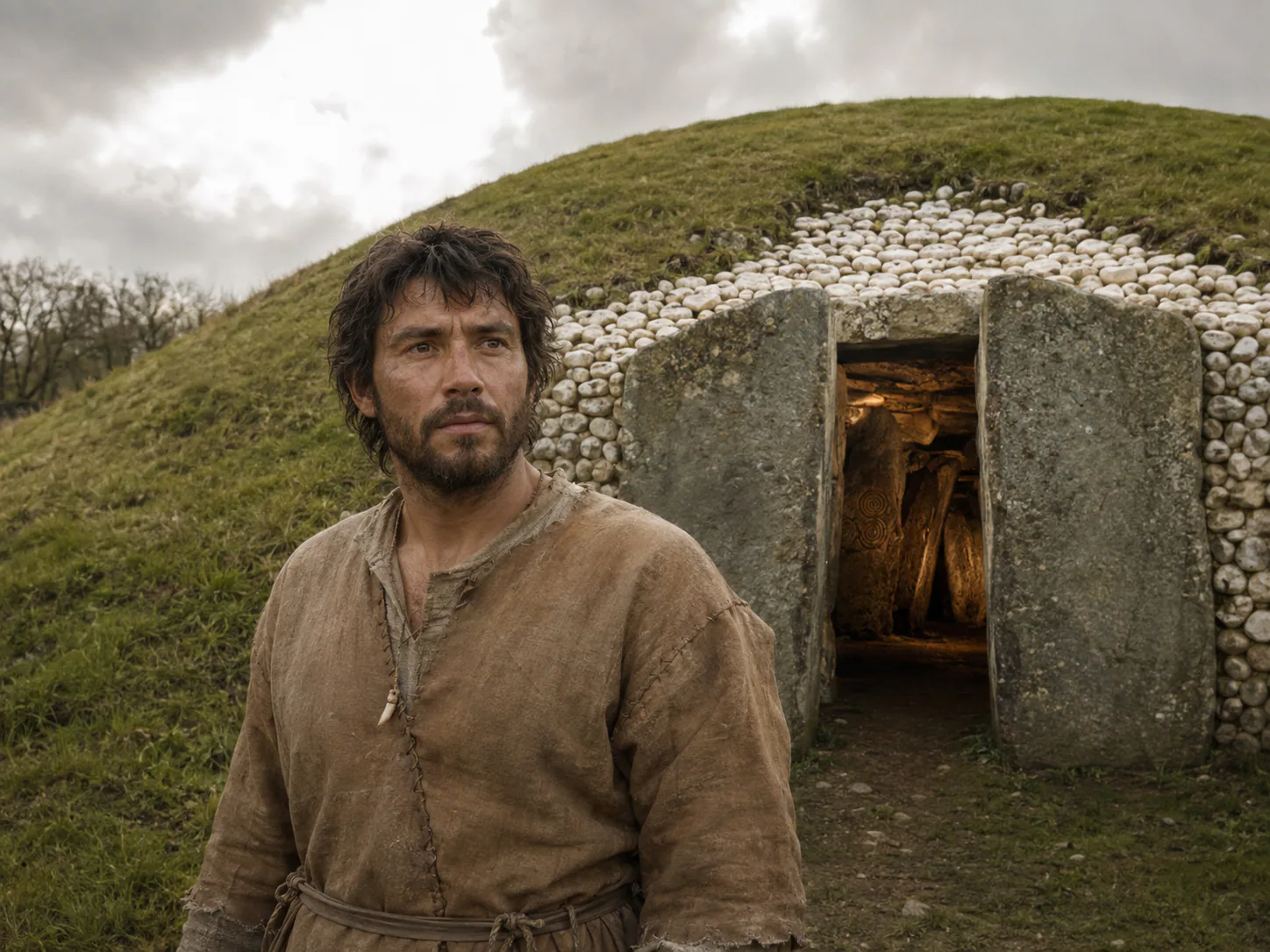
Newgrange

Newgrange in Ireland is older than Stonehenge and the pyramids of Giza: built around 3200 BCE, the passage tomb catches the first sunlight of the winter solstice in its chamber. The genomes from the central chamber held a sensation: one of the buried was the child of a brother-sister or parent-child union – incest of this kind is historically known almost only from ruling dynasties that saw themselves as godlike. Newgrange may have been the tomb of such a ruling line.

Choose the genome to be compared.
NG10unavailable
NGZ1unavailable

Roman Imperial period · 79 CE

People of Pompeii

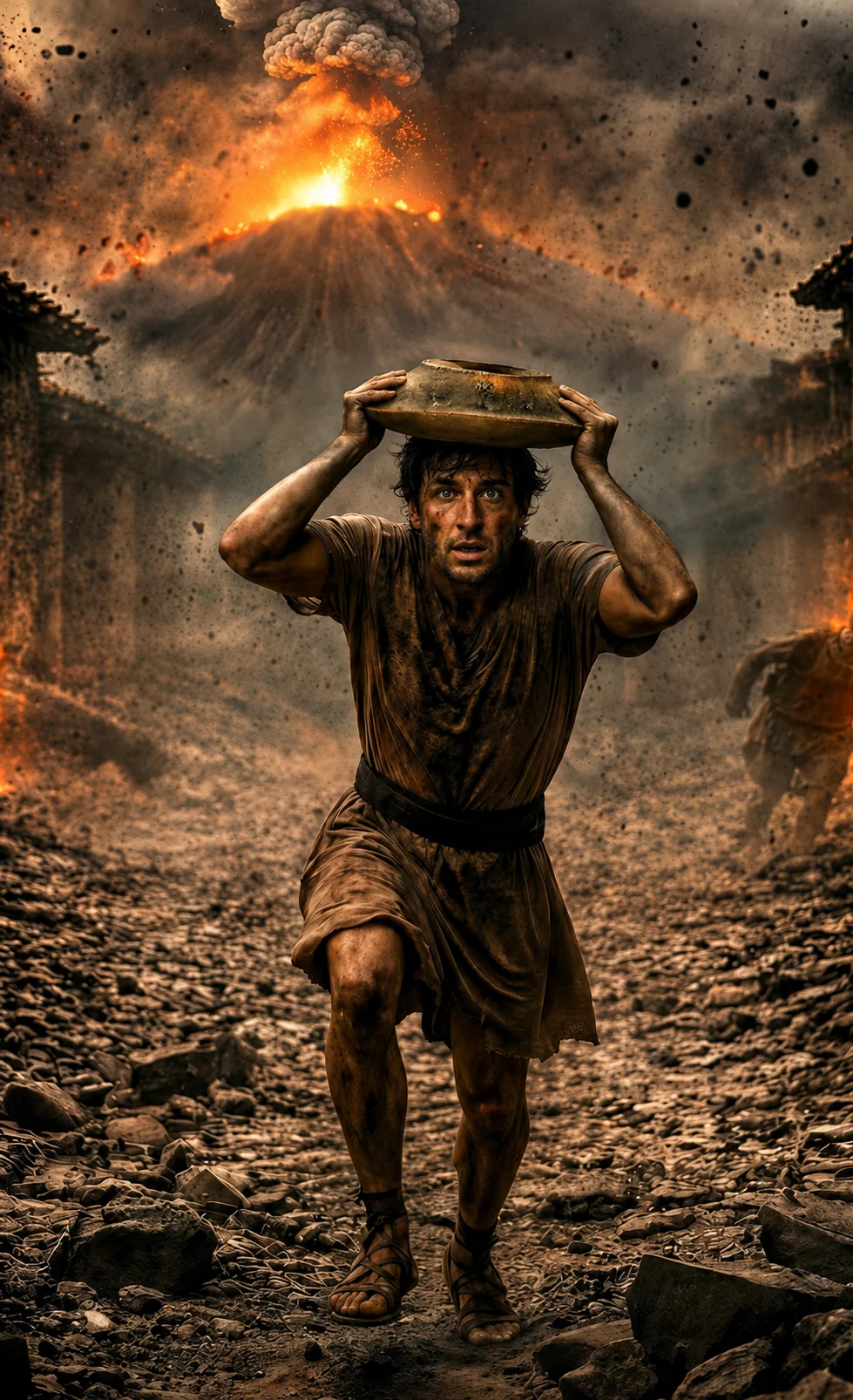
The eruption of Mount Vesuvius in 79 CE is one of the most famous natural disasters of antiquity. The Roman Imperial city of Pompeii was buried under a thick layer of ash, and many residents died. Their genomes today provide insights into the population structure of a Roman city during the Imperial period.

Choose the genome to be compared.

f1Runavailable
I3682unavailable
I3685unavailable
I3686unavailable
I3690unavailable
I3691unavailable

Nordic Bronze Age · Northern Germany

Battle of the Tollense Valley

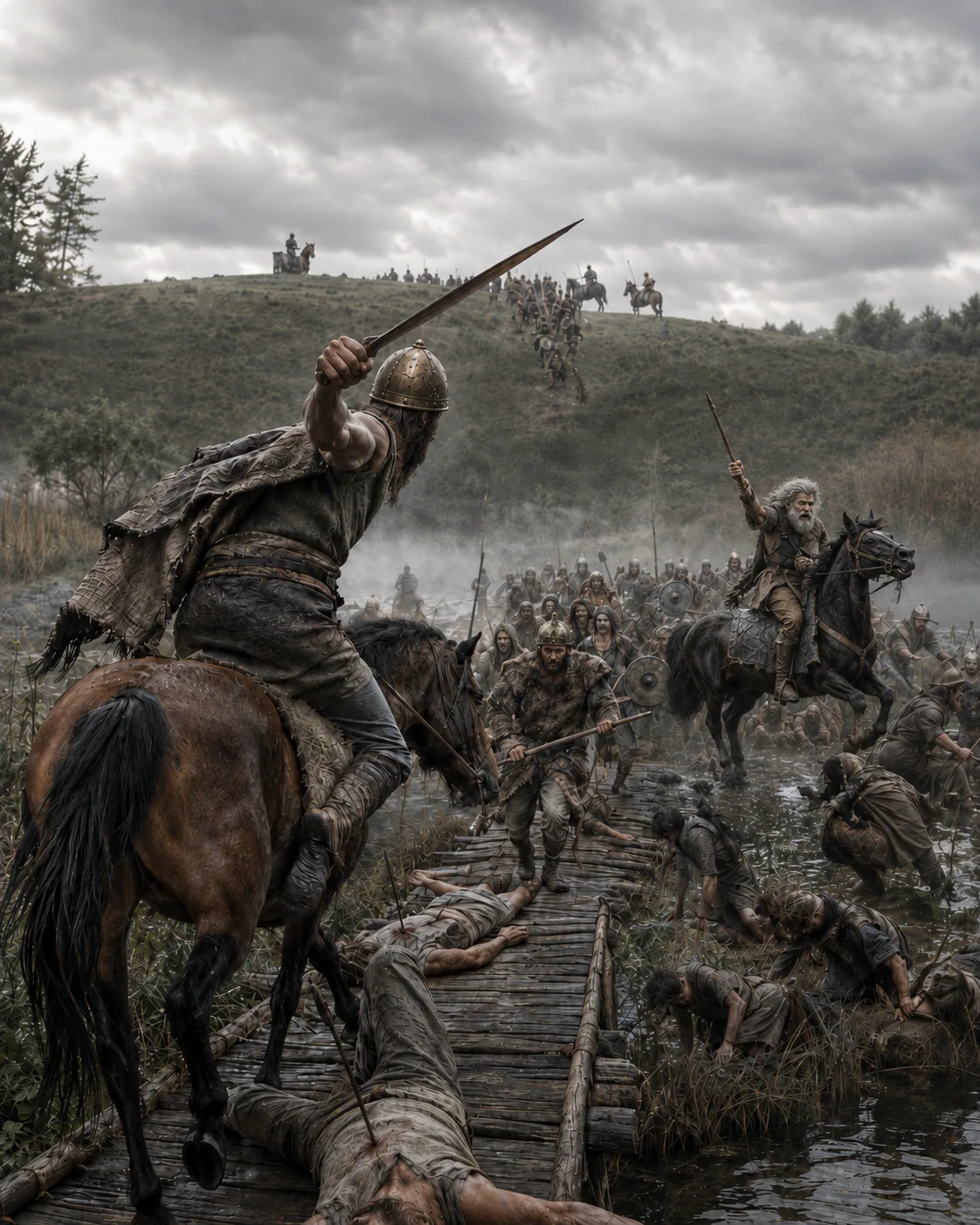
The late Bronze Age around 1300 BCE was a time of nebulous catastrophes, wars and upheavals in Europe. In northern Germany, in the area of the Nordic Bronze Age, a clash of several hundred warriors took place, known in archaeology as the ‘Battle of the Tollense Valley’. It is considered the oldest known battle in Europe. The participating warriors came from different regions, including Scandinavia, Central Europe and the Baltic. It has been speculated whether there was an incursion of warriors from the north into Central Europe.

Choose the genome to be compared.

WEZ15unavailable
WEZ35unavailable
WEZ40unavailable
WEZ51unavailable
WEZ54unavailable
WEZ57unavailable
WEZ58unavailable
WEZ59unavailable
WEZ61unavailable
WEZ64unavailable
WEZ71unavailable
WEZ83unavailable

Copper Age · Bulgaria

Gold Grave of Varna

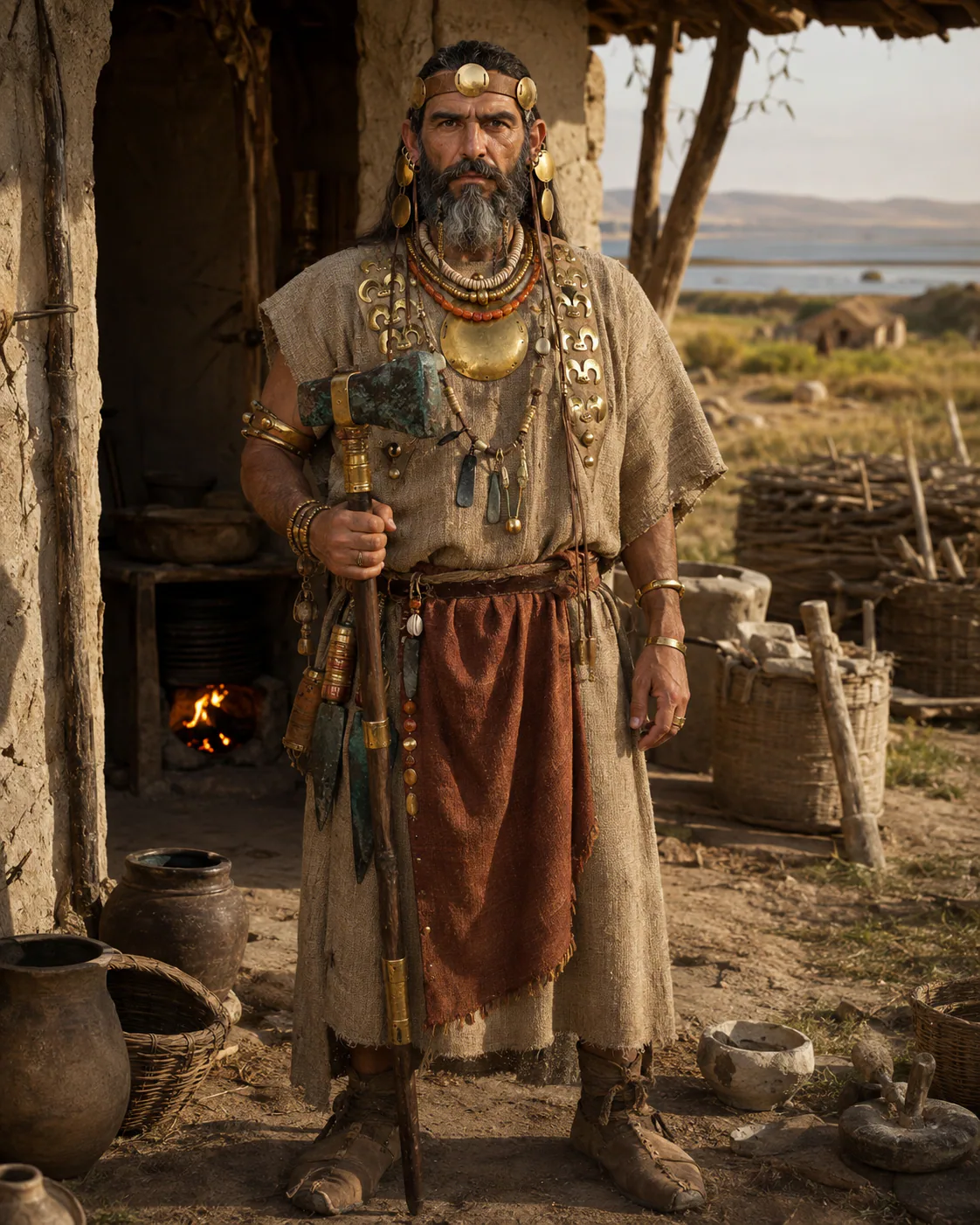
This man from the Black Sea coast was buried around 4500 BCE with the largest known cache of gold in prehistory. He is among the most prominent elite burials of all time. He likely held a religous or political leadership position comparable to a king, chief or high-priest.

Choose the genome to be compared.

Amesbury and Boscombe · Early Bronze Age

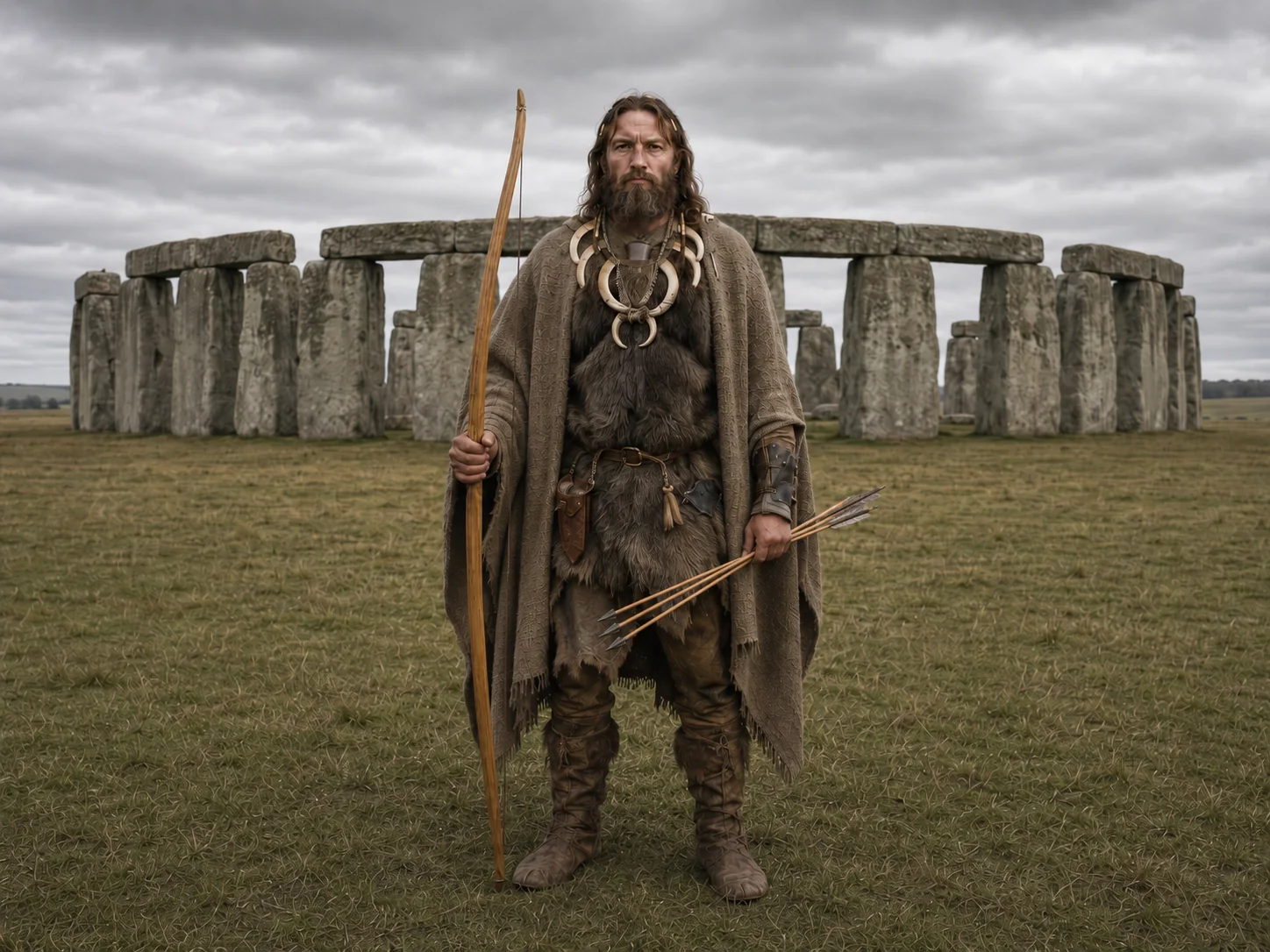
The Archers of Stonehenge

Stonehenge was built in several stages between 3000 and 1500 BCE. Near the site, the Amesbury Archer and the Boscombe Bowmen were buried. The Amesbury Archer was even called the ‘King of Stonehenge’ in the press, but archeologists suggest otherwise. He was a metalworker who had travelled as far as the Alps and is considered to beo one of the first gold smiths of Britain. His burial near Stonehenge indicates special social status.

Choose the genome to be compared.

Amesbury Archer · I14200unavailable
Boscombe Bowmen · I2416unavailable
Boscombe Bowmen · I2417unavailable

High Middle Ages · Northern Levant

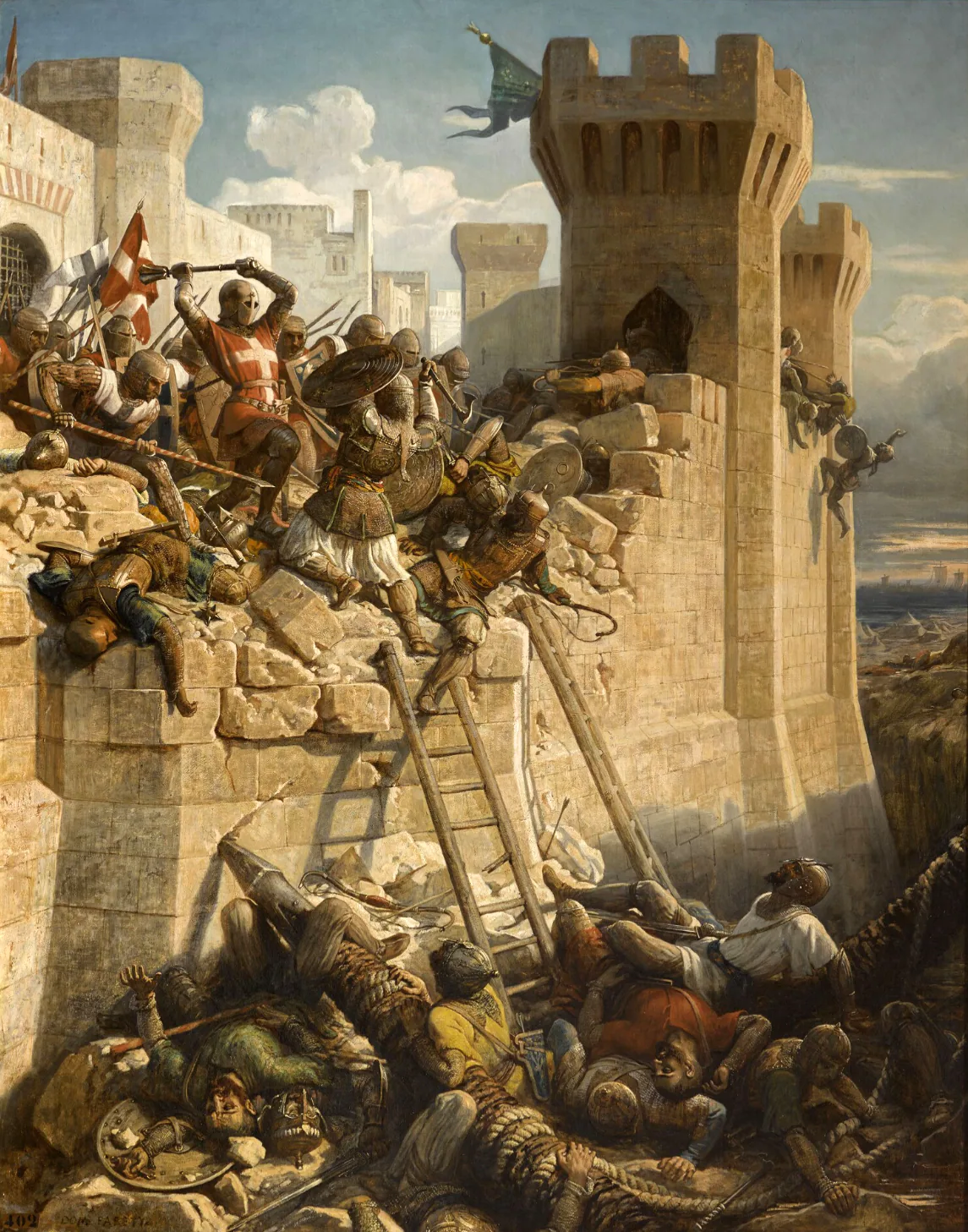
Crusaders of Sidon

These European men fell in a thirteenth-century fight at the Crusader fortress of Sidon. They were found in a mass grave with many wounds alongside Lebanese muslims of the time. Most Crusaders seem to be of northern French, Norman, or Low Countries origin, others have an Iberian background.

Choose the genome to be compared.

SI-39unavailable
SI-40unavailable
SI-47unavailable

Medieval Norway · 1197 CE

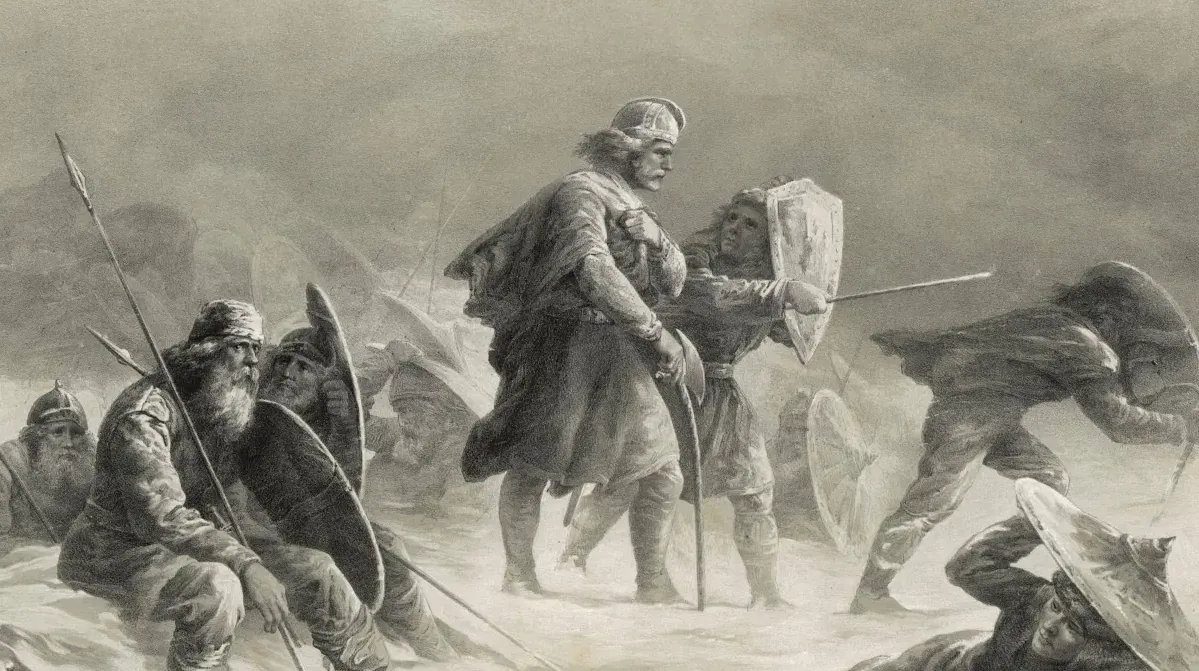
Well-man of Sverris Saga

According to the Saga of King Sverre of Norway, attacking enemies threw a dead warrior into the well at Sverresborg Castle in 1197 to poison the drinking water. Remarkably, an excavation of the well revealed a human skeleton that matches the description in the saga. This discovery serves as extraordinary evidence of the historical accuracy of the Norse sagas.

Choose the genome to be compared.

How do I interpret this?

Important! If you score 90 for Ötzi and 30 for Beethoven, this does not mean that you are genetically closer to Ötzi than to Beethoven. It only means that you are closer to Ötzi than most modern Europeans are, whereas most modern Europeans are closer to Beethoven than you are.

Because Beethoven lived only around 200 years ago, you are genetically much more similar to him than to Ötzi, who lived more than 5,000 years ago. Keep that in mind when looking at the scores!