Archaeological DNA comparisons

Cultures through time

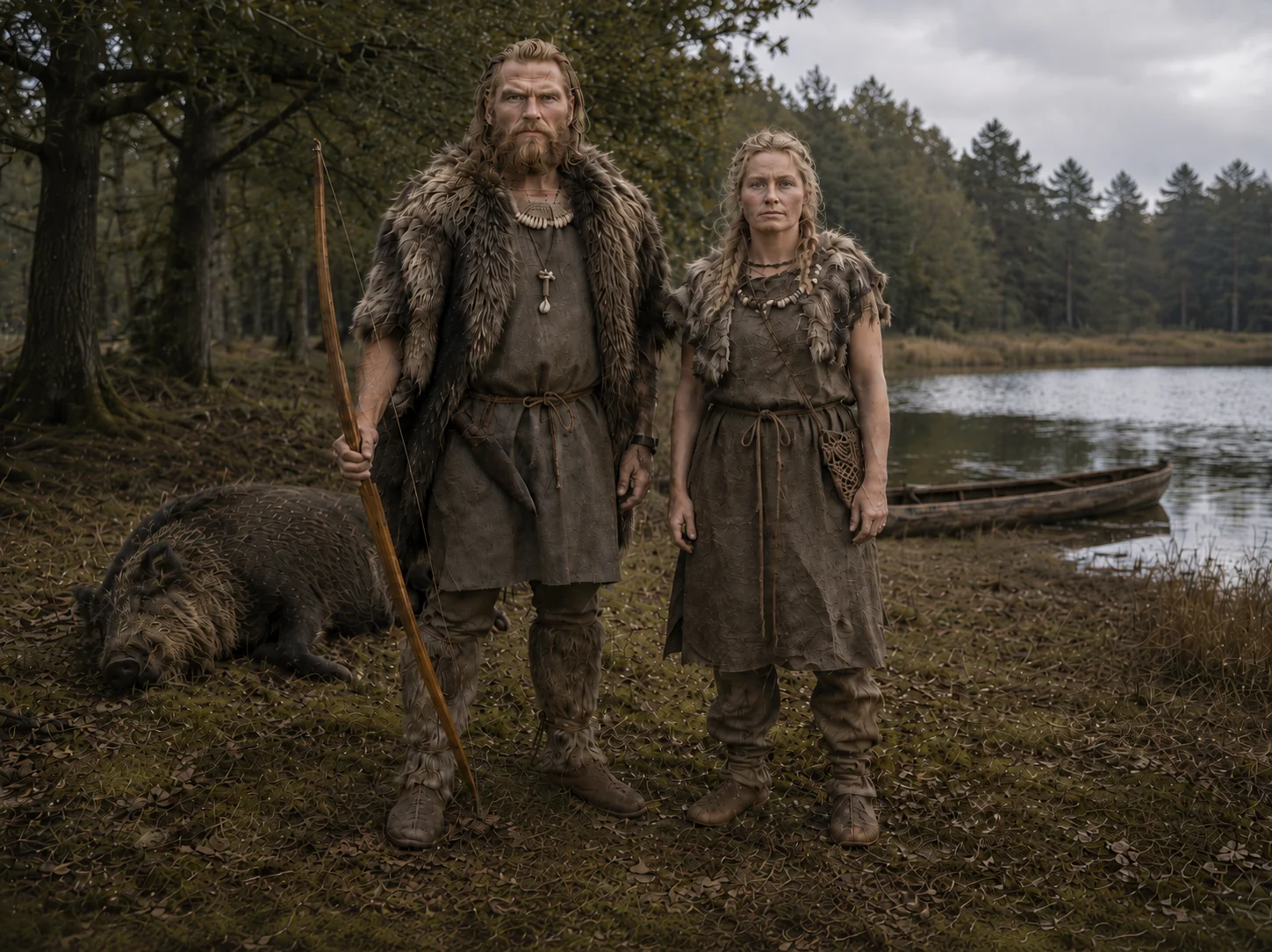
~ 5000 BCMesolithic

Ertebølle Culture

  • Hunters and fishers of southern Scandinavia
  • Used dugouts and pottery
  • Built huge dumps of shells and buried their dead there
  • Kept their hunter-gatherer lifestyle despite having knowledge about agriculture and herding
  • Predominantly blond and blue-eyed genetic signals, which are uncommon for the time

Choose the genome to be compared.
~ 5000 BCNeolithic

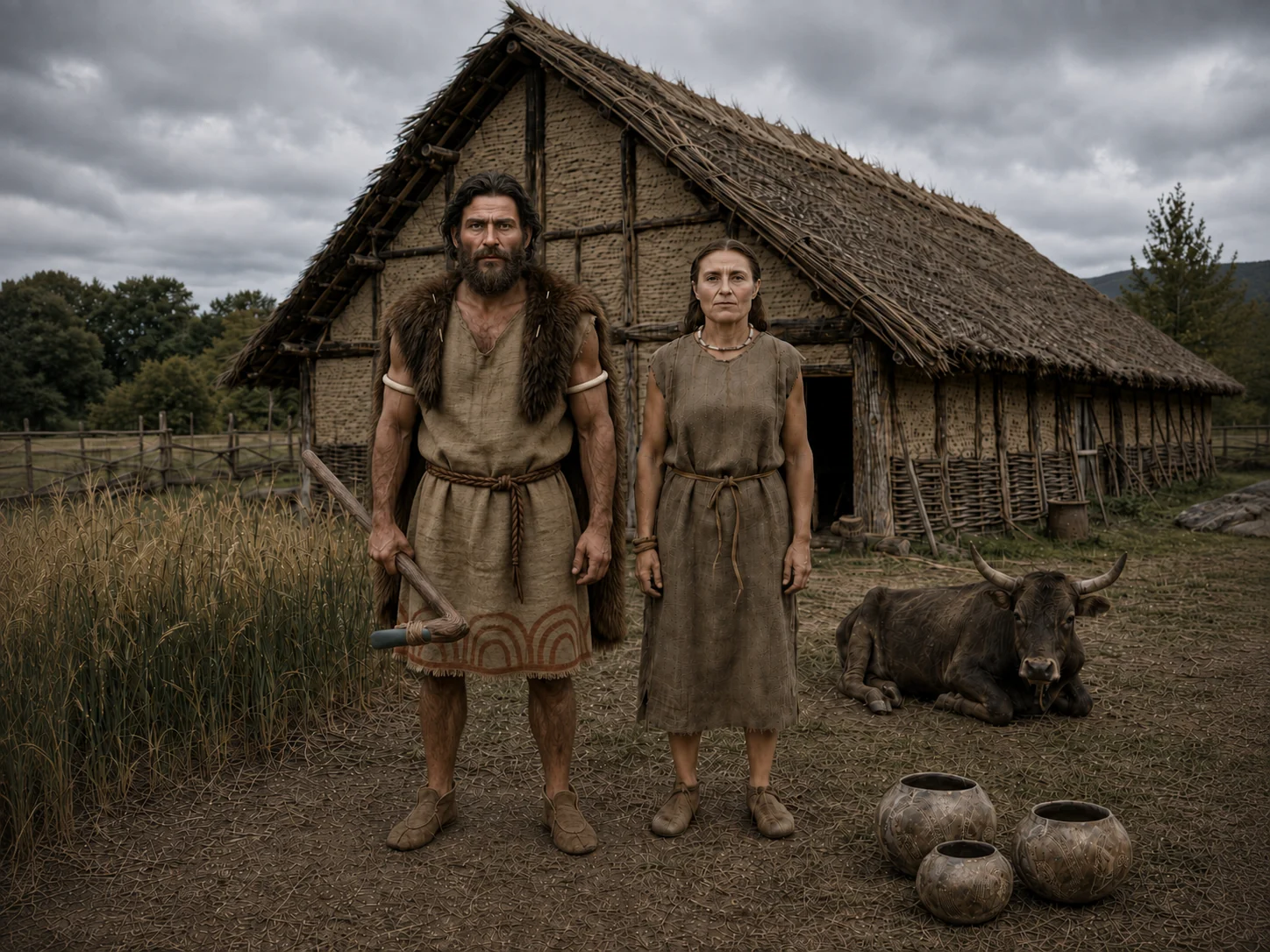
Linear Pottery Culture

  • First farmers of central Europe
  • Descendants of Balkan and Anatolian populations
  • Built impressive longhouses out of wood and clay
  • Several sites contain evidence of ritualized mass violence, possibly executions or religious punishments
  • Non-Indo-European-speaking
  • Low body height, dark hair and eye color, likely Mediterranean appearance

Choose the genome to be compared.
~ 3500 BCNeolithic

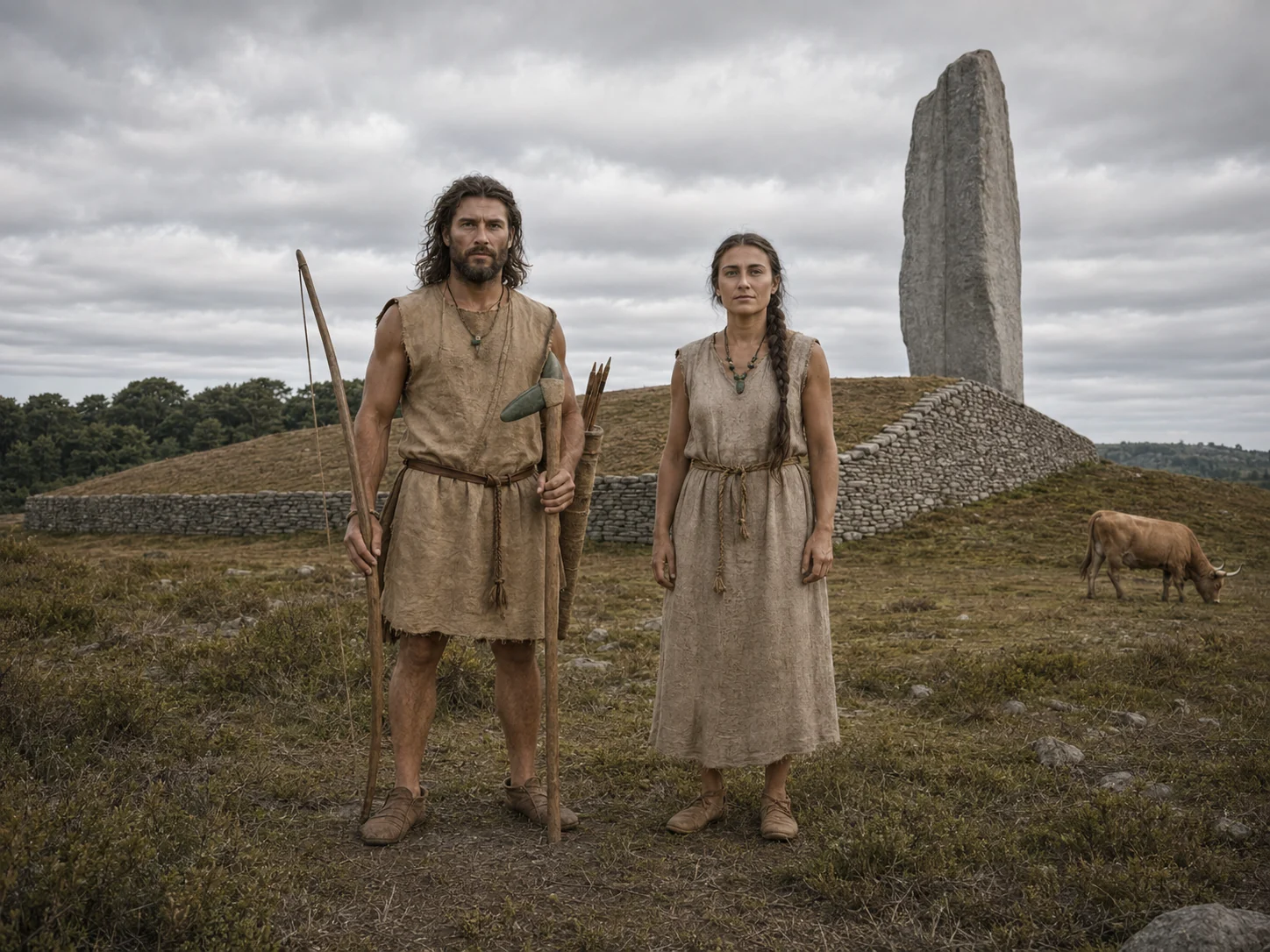
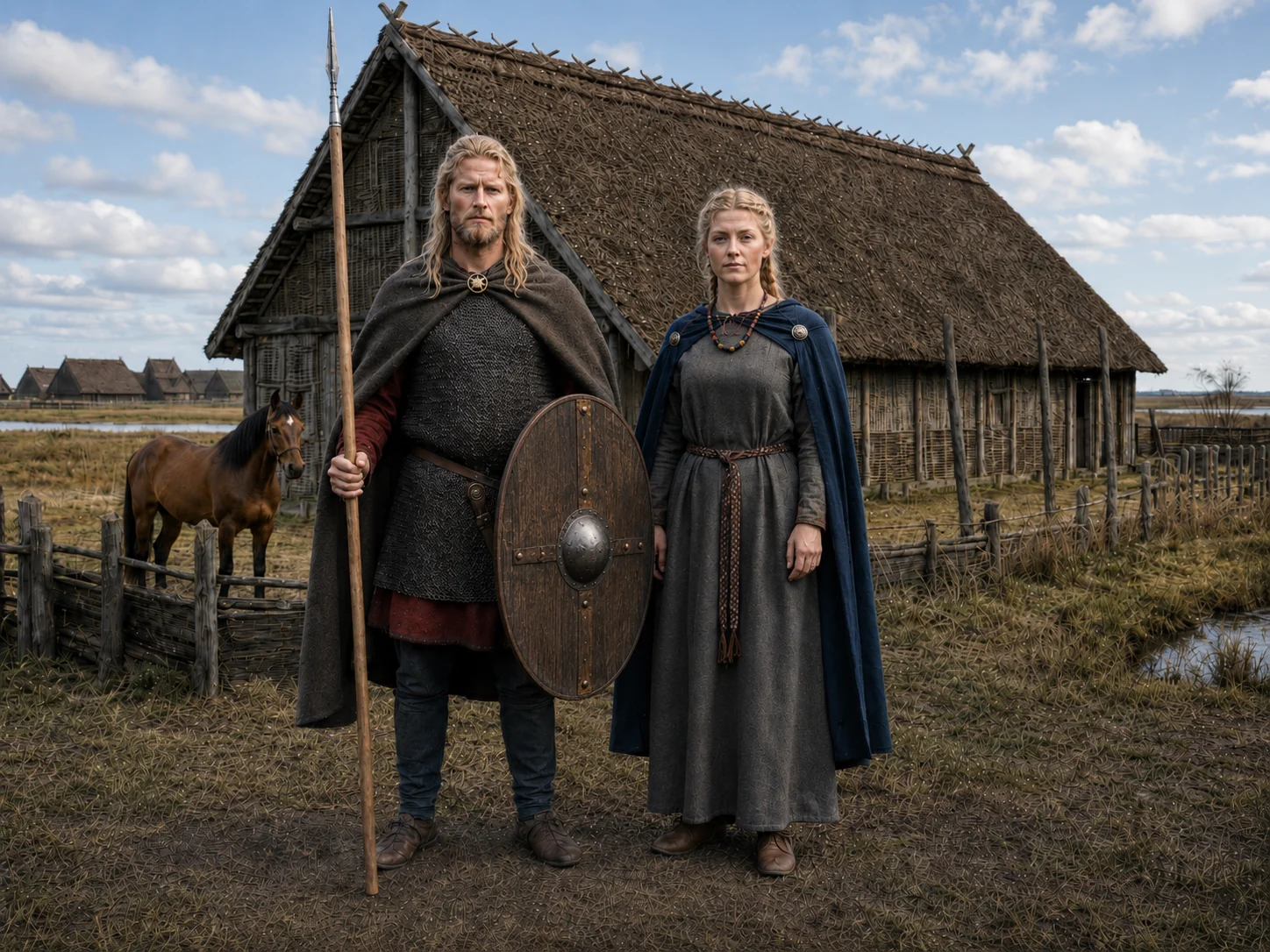
Atlantic Megalithic

  • Builders of megalithic structures in Iberia, France and Britain
  • Synthesis of Western European hunters and Neolithic farmers
  • Built Stonehenge and other astronomy-related sites
  • Probably seafaring explains the rapid cultural exchange across the coasts of Western Europe

Choose the genome to be compared.
Irish Megalithicunavailable
French Megalithicunavailable
British Megalithicunavailable
Iberian Megalithicunavailable

~ 2500 BCCopper Age

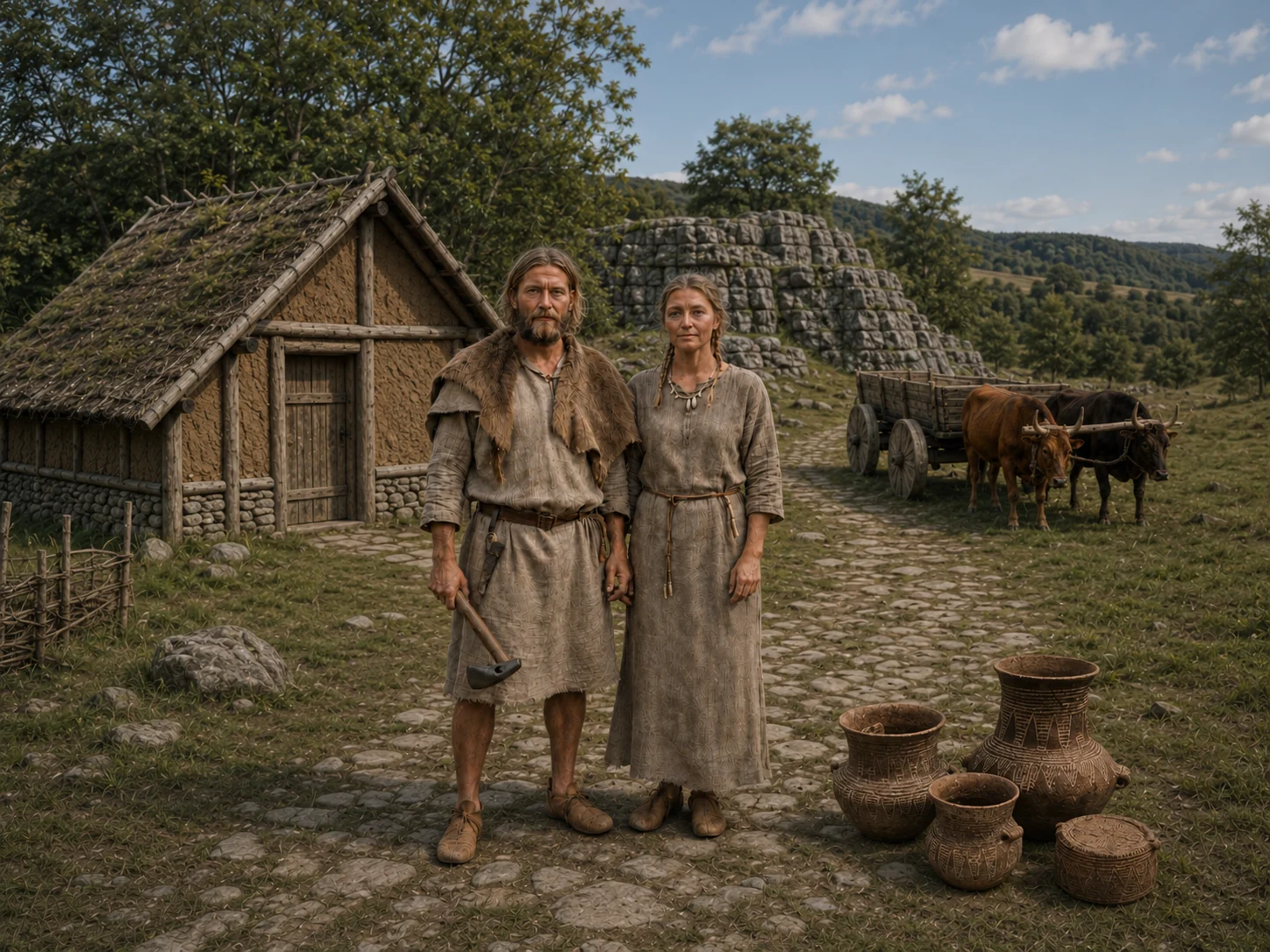
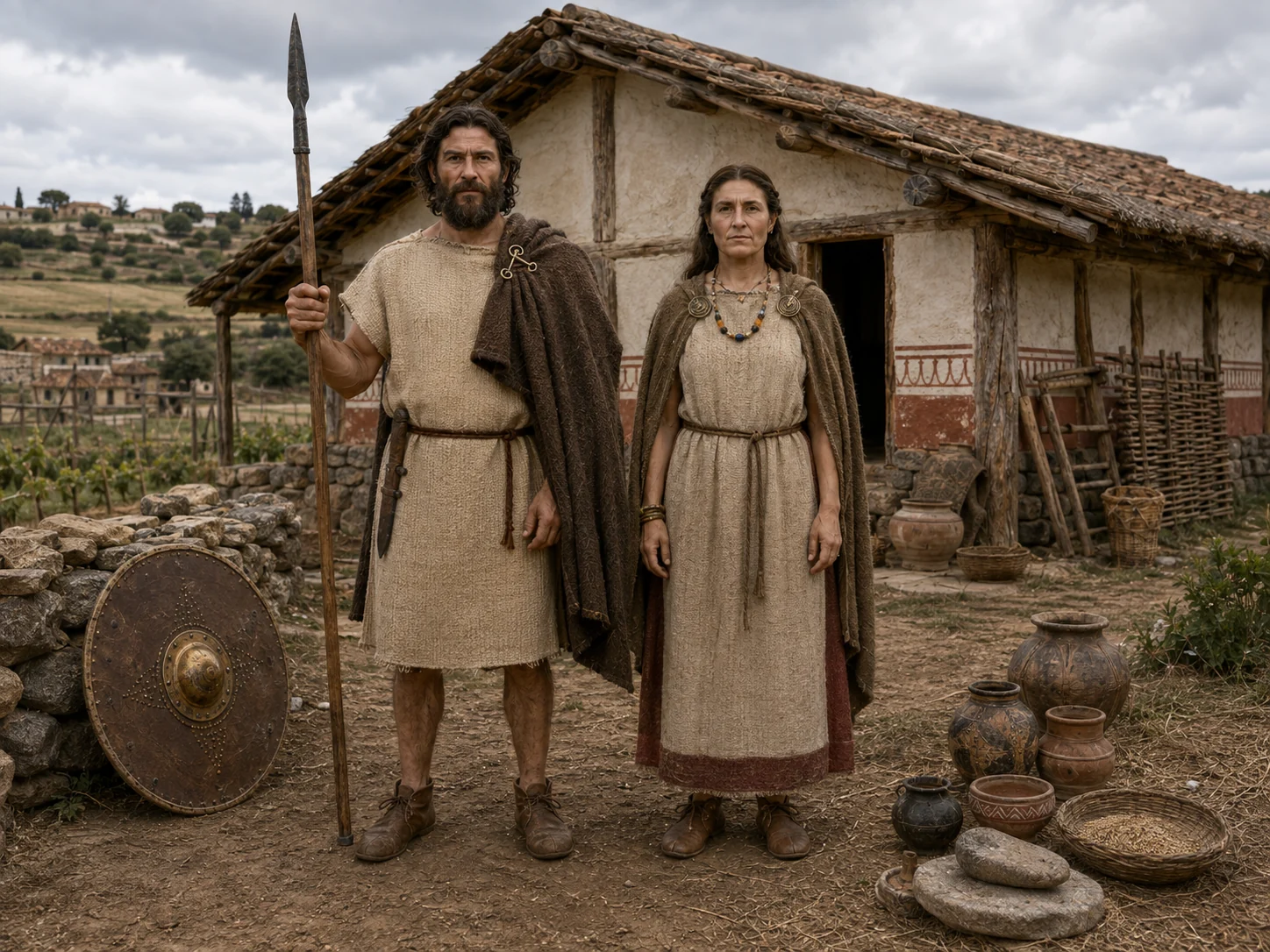
Corded Ware Culture

  • Also called Battle-Axe culture
  • Western branch of Indo-Europeans
  • Core regions were Denmark and the Elbe regions
  • Expand through settlement eastwards up until the Volga
  • Huge cultural horizon, genetically diverse in its periphery
  • Genetic proximity to Pontic Indo-Europeans, but common predecessor not yet localized

Choose the genome to be compared.
Corded Ware Scandinaviaunavailable
Corded Ware Polandunavailable
Corded Ware Germanyunavailable
Corded Ware Balticunavailable
Corded Ware Upper Volgaunavailable

~ 2800 BCCopper Age

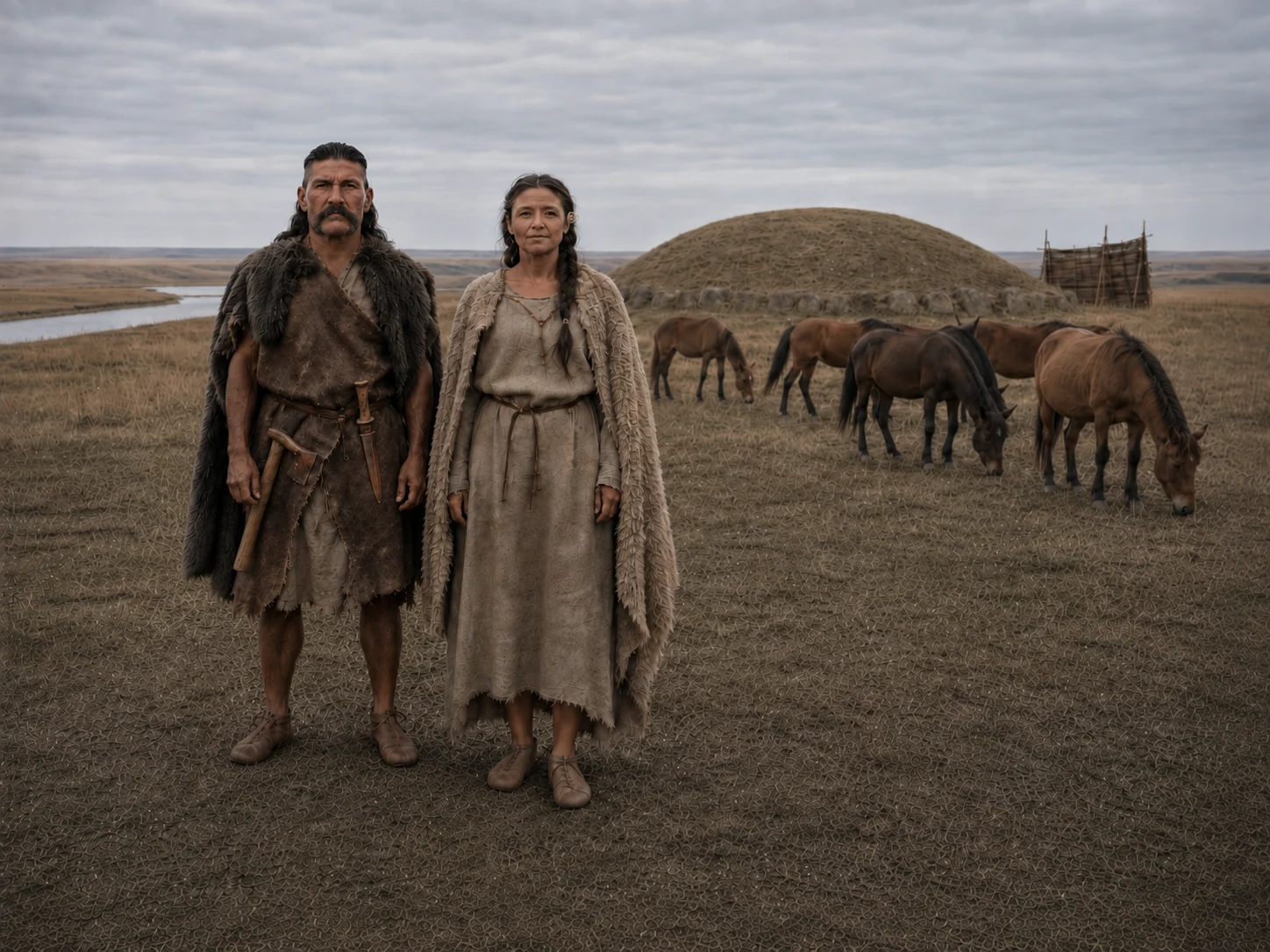
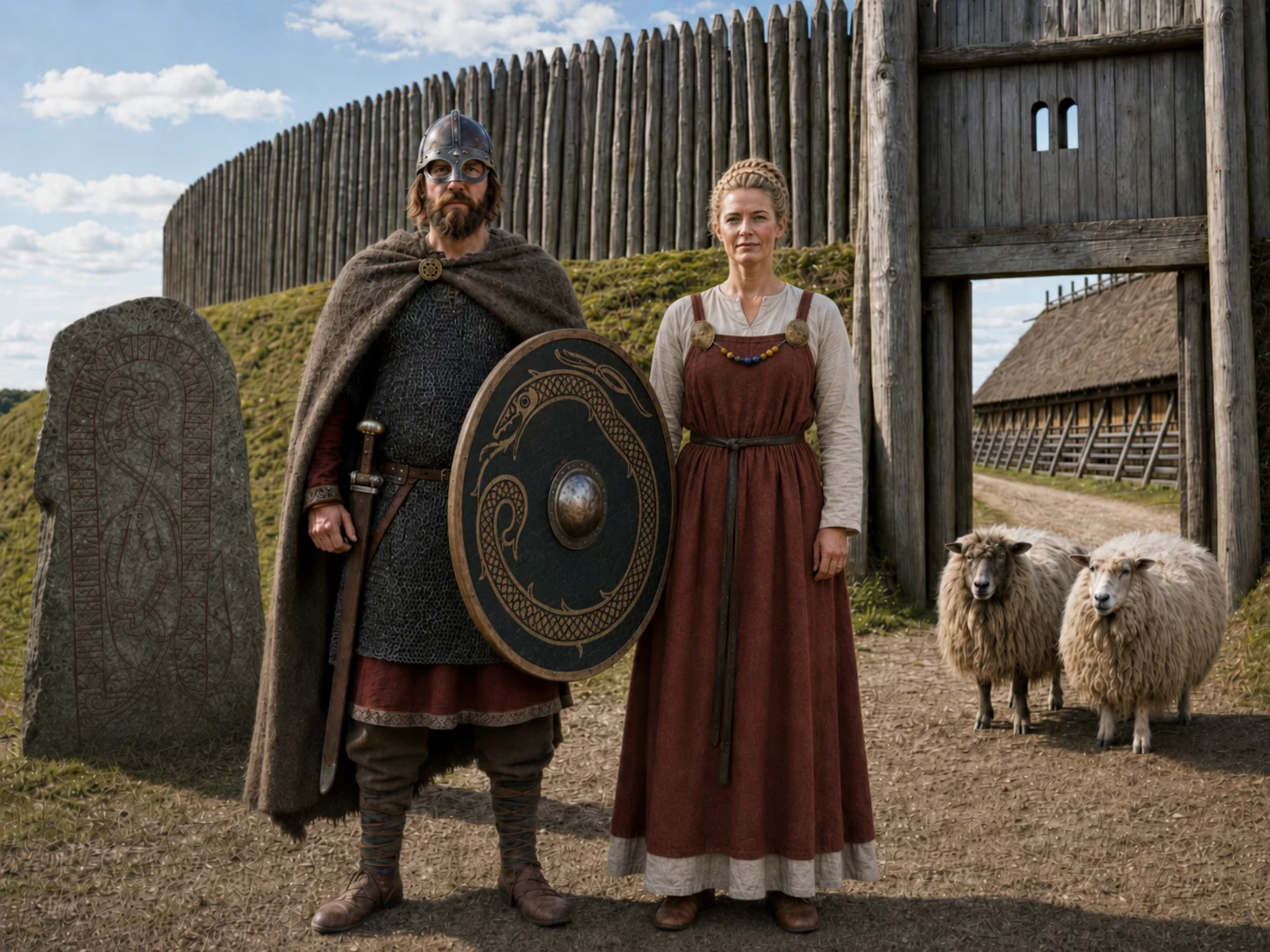
Yamnaya Culture

  • Herders and farmers of the Pontic-Caspian steppe
  • Eastern branch of Indo-Europeans
  • Tall body height, dark hair and eye color according to genetic signals
  • Built iconic grave mounds
  • Expanding into the Balkans and Caucasus
  • Genetic proximity to Western Indo-Europeans, but common predecessor not yet localized

Choose the genome to be compared.
West Pontic Yamnayaunavailable
Yamnaya Pannoniaunavailable
East Pontic-Caspian Yamnayaunavailable
Volga-Ural Yamnayaunavailable

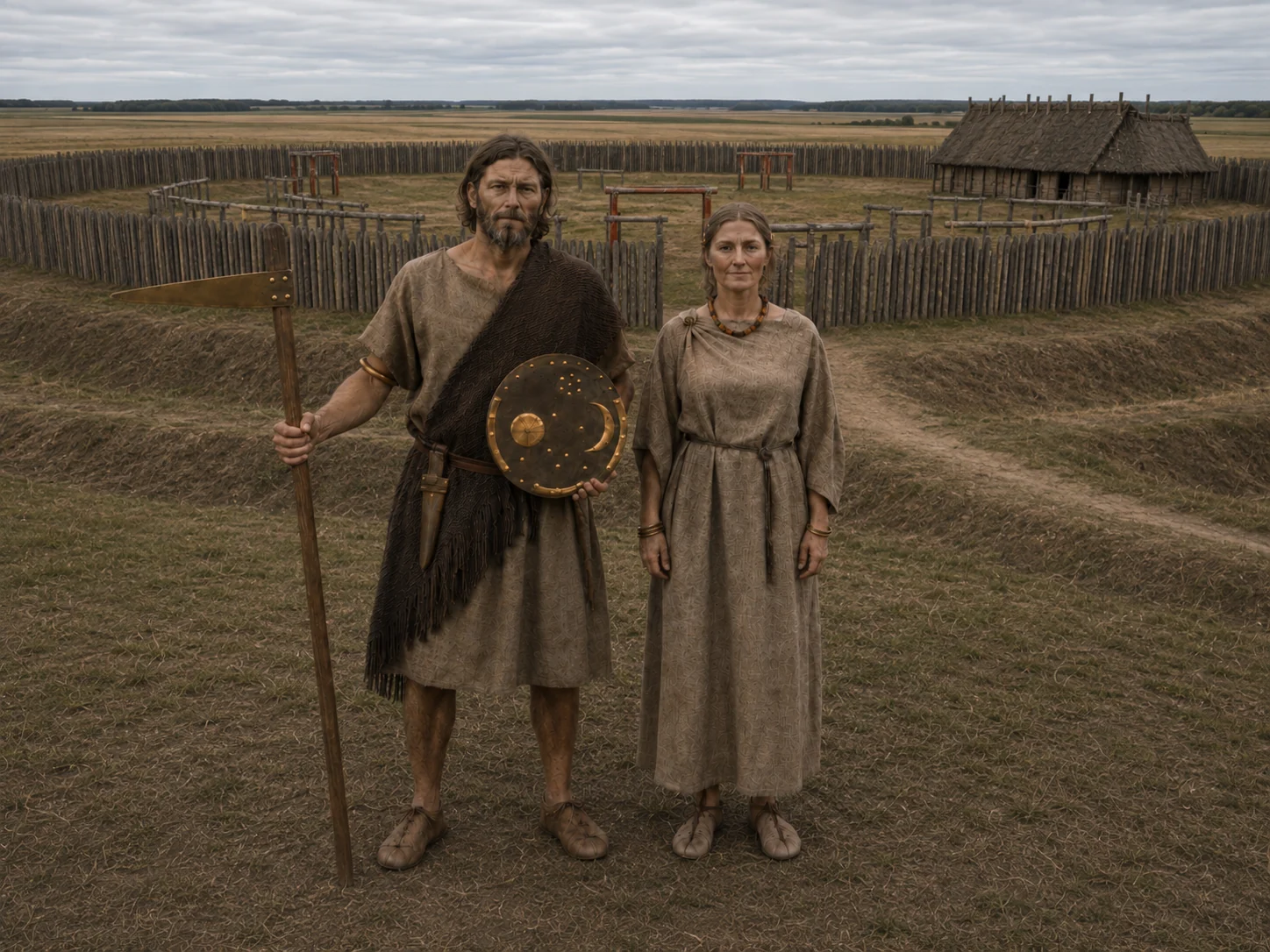
~ 1800 BCBronze Age

Unetice

  • Bronze Age culture of central Europe
  • Known for the iconic Sky Disc of Nebra
  • The importance of astronomy is also indicated by observation or religious sites like Pömmelte
  • Opulent graves and structured hoards indicate a hierarchical and organized society
  • Possibly ancestors of later Celts and Italics

Choose the genome to be compared.

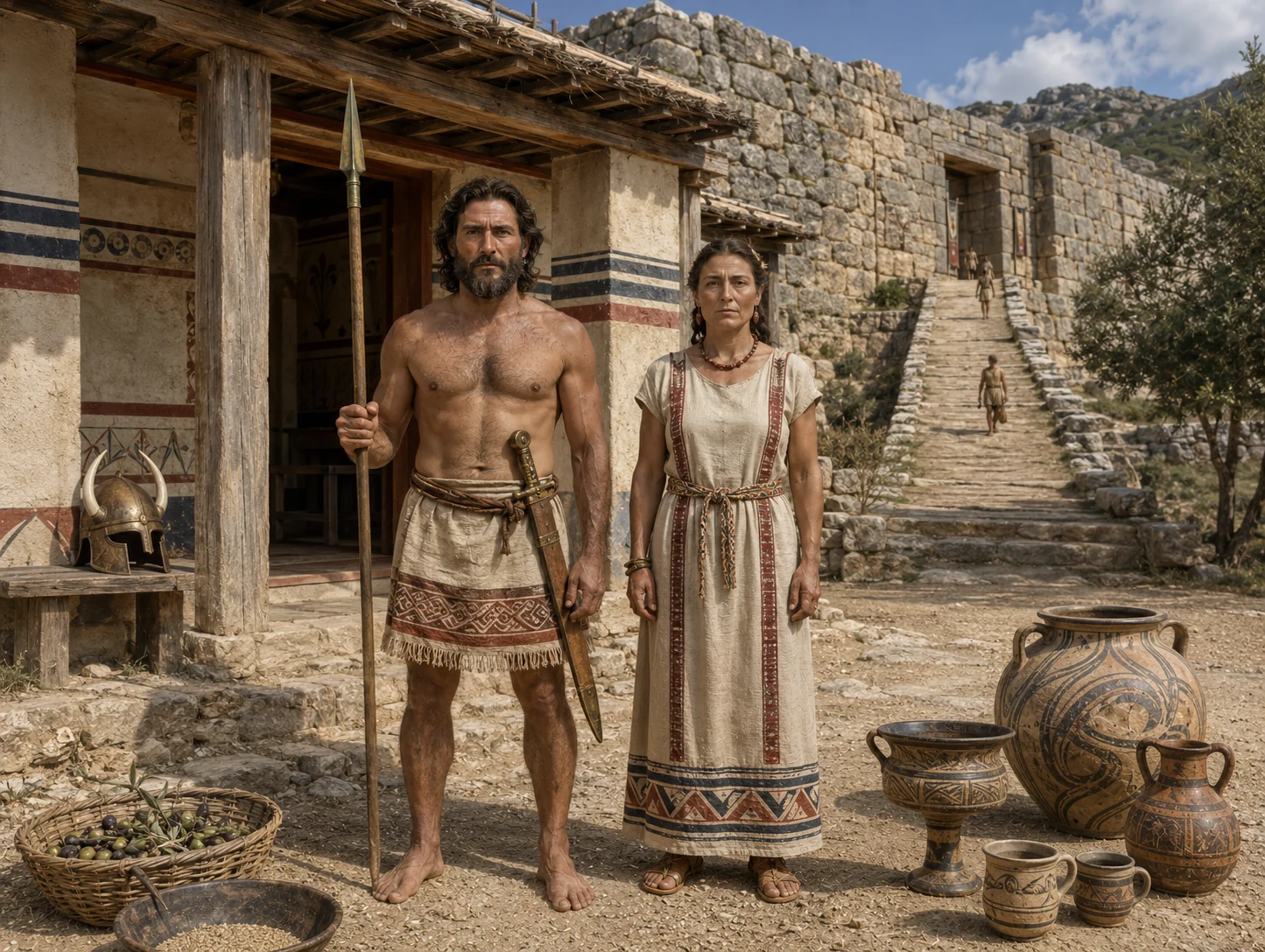
~ 1300 BCBronze Age

Mycenaean Greeks

  • Probably the Homeric Greeks of the Trojan War
  • Aegean Bronze Age culture
  • Earliest Indo-European writing preserved in the Linear B script
  • Administrative palace system centered around famous places like Pylos, Thebes, Mycenae and Tiryns
  • Built impressive stone walls like the Lion Gate
  • Vanished in the infamous Bronze Age Collapse

Choose the genome to be compared.

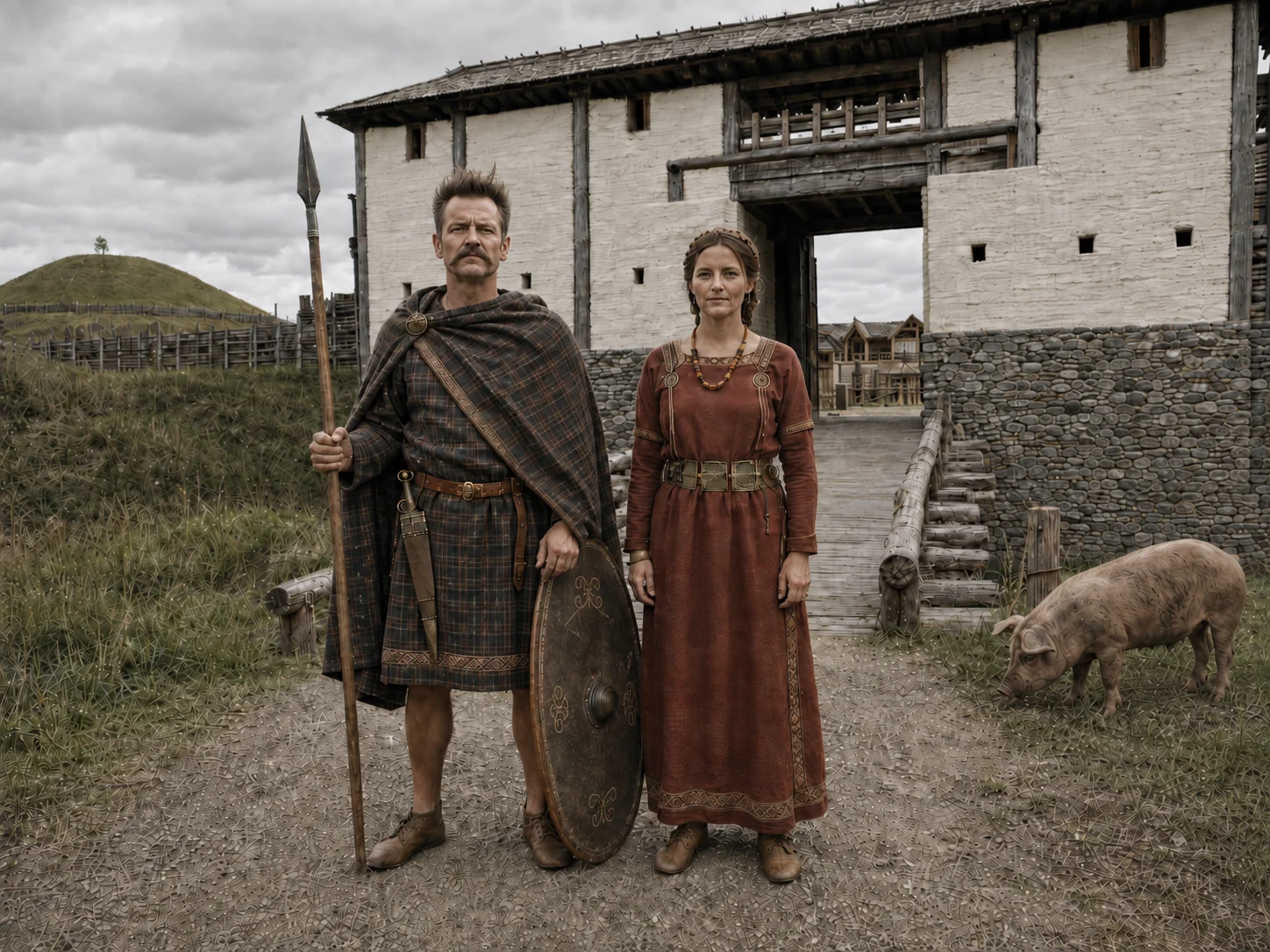
~ 500 BCIron Age

Hallstatt Celts

  • Considered as the original Celtic culture in a broad region north of the Alps
  • Famous for salt mining and trade
  • Built castle-like hill-forts that served as residing places of elites
  • Artistic iron- and goldsmiths
  • Later waves of Celts spread to Gaul and Britain

Choose the genome to be compared.

Celts Bohemiaunavailable
Celts Southern Germanyunavailable
Celts Eastern Alpsunavailable
Celts Gaulunavailable

~ 200 BCIron Age

Germanics

  • Ancient inhabitants of Northern Europe
  • Warlike tribes, organized in clans and thorps
  • Known from sources and genetic findings to be blond and blue-eyed
  • Clashed heavily with Rome for several centuries, resisting its conquest and ultimately taking over Western Europe

Choose the genome to be compared.

Germanics Denmarkunavailable
Germanics Swedenunavailable
Germanics Norwayunavailable
Germanics Netherlandsunavailable

~ 600 BCIron Age

Italics

  • Came in waves from north of the Alps and settled in central Italy
  • Fought wars against Etruscans, Greeks and Celts who lived on the peninsula
  • Founders of Rome and creators of the Latin language
  • Both blond and dark-haired genetic signals are identified in graves
  • Religion and culture were inspired by the Greeks
  • Their legal, cultural and political legacy inspires Europe up until today

Choose the genome to be compared.

~ 800 ADMedieval

Vikings

  • Extremely capable shipbuilders and feared warriors from Denmark, Sweden and Norway
  • Sailed and settled in Russia, Ireland, Iceland, Greenland and parts of Europe
  • Discovered America and settled there at least as early as 1021 AD
  • Made their name as Byzantine bodyguards, slave traders and swordsmiths

Choose the genome to be compared.

How do I interpret this?

Important! If you score 90 for the Ertebølle culture and 30 for the Vikings, this does not mean that you are genetically closer to the Ertebølle people than to the Vikings. It only means that you are closer to the Ertebølle people than most modern Europeans are, whereas most modern Europeans are closer to the Vikings than you are.

Because the Vikings lived much more recently, you are likely genetically more similar to them than to the people of the far older Ertebølle culture. Keep that in mind when looking at the scores!